Hello. I am the Marketing Director at Godpak.
In my previous columns, I’ve spoken from the high tower of industry, discussing cost analysis, efficiency, and brand equity with restaurant owners. But today, I want to take off the executive suit. I want to speak to you simply as a fellow human—someone who also stands in line for lunch at noon and scrolls through food delivery apps at night.
Yes, this is written for you. It is written for the "Takeout Generation"—those of us constantly shuttling between convenience stores, street food stalls, bubble tea shops, and delivery platforms.
In our fast-paced modern lives, the most significant revolutions in the food industry often don't start in a boardroom. They start with a simple, yet core question:
"As a customer, what actually bothers you?"
And you are the protagonist holding the final answer.
1. The Takeout Life: Your Quality of Life is Defined by These "Containers"
Let’s zoom in on your daily routine. These scenes might feel all too familiar:
07:30 AM
You rush to the breakfast spot near the subway. You grab a sandwich and a warm soy milk. The plastic bag rustles noisily against other commuters in the crowded train car.
12:10 PM
The lunch bell rings. You carry a bento box back through the midday heat. The corners of the paper box are already turning soft and soggy from the steam.
15:30 PM
The office tea run arrives. A dozen bubble teas line the meeting table, the condensation dripping down the cup walls, slowly soaking your important documents.
23:00 PM
End of an exhausting day. You collapse on the sofa and open a bag of freshly fried Popcorn Chicken. It is your moment of solitude and healing.
If these scenes resonate with you, you are living the "Takeout Culture."
In these trivial daily moments, a silent partner is always with you—the paper box, the carrier bag, the cup sleeve, the sealing film. We collectively call this "Packaging."
You may never have looked at it intentionally, but like the air we breathe, it subconsciously affects your mood, your convenience, and even how delicious that meal tastes.
2. The "Micro-Breakdowns" We’ve All Experienced
Let’s be honest about the past week. Have you experienced these small, defeating moments? They seem minor, yet they are enough to ruin a good mood.
The Lunch Tragedy: The Leak
You pull your lunch box out of the plastic bag, only to find a layer of oil pooled at the bottom. You open the box, and the corner has collapsed, soaked through with sauce. At that moment, you aren't enjoying lunch; you are performing a disaster control operation called "Cleaning the Desk.
The Beverage Fail: The Spilled Lid
Your bubble tea is hanging on your scooter hook. One sharp turn, and the seal bursts or the lid pops off. Before you even step into the office, sugary tea has made a sticky mess of your shoes and pant cuffs. You think to yourself, "I should have never ordered from that place."
The Late-Night Mess: The Greasy Bag
You were looking forward to that crispy fried chicken. But because the bag wasn't grease-proof or breathable, you arrive home to a bag of "soggy, oily chicken." The bottom of the bag falls out, staining your table. You have to lay down three layers of tissues just to start eating.
In these moments of frustration, we often blame the delivery driver, the bumpy road, or our own clumsiness. But as a packaging professional, I must tell you: This is actually a failure of "Packaging Design."
3. Redefining Value: Good Packaging is the Feeling of Being "Respected"
As a Marketing Director, I look at materials and structures all day. But I can say responsibly: A consumer never buys just a meal. You are buying a complete journey: Acquire → Transport → Open → Consume.
Good packaging should hold three distinct meanings for you:
1. Security: Visible Hygiene and Stability
When you hold a Godpak Octagonal Lunch Box, you notice the clasp is tight and doesn't pop open. When you take a Foil Bag, your hands stay clean. This "crisp and clean" feeling conveys that the shop cares about you—not just about selling you food, but about how you eat it.
2. Convenience: Optimizing Your Life Flow
Good design solves problems. For example, a Rolled Rim Paper Bowl prevents soup spills; a fried food bag with a tear-away design lets you eat without finding a plate. These tiny details save you from washing a bowl or wiping a table, leaving you time for actual rest.
3. Ritual: A Hard Day Deserves Gentle Treatment
Imagine two scenarios:
A: A warped, soggy box on your desk. You eat while worrying about leakage.
B: A sturdy, clean, visually organized meal box that stands upright. It looks like a gift prepared just for you.
For the same $5 lunch, the latter sends a silent message: "You worked hard. Please, have a proper meal."
4. Consumer Awakening: Your Choice Reshapes the Landscape
Many ask: "I'm just buying a lunch box. What influence do I have?" In fact, every purchase is a vote for the kind of world you want to live in.
1. Your "Willingness" is the Market's Compass
When you walk an extra block for a shop with clean packaging, or when you choose the "Upgrade to Eco-Box +$0.20" option on a menu, you are signaling the market: "I care about quality. I am willing to pay for a better experience." This signal is the biggest driver for shops to ditch cheap styrofoam and switch to eco-friendly paper.
2. Your "Feedback" is the Fuel for Progress
Owners hear complaints often, but rarely praise. If you like a shop’s packaging, tell them: "Boss, this box is so sturdy, it didn't spill at all. It's great!" That sentence confirms to them that their investment in quality is being seen.
3. Your "Refusal" is the Start of Sustainability
When you choose shops that reduce excess packaging or use recyclable materials, you are supporting sustainability with your actions.
5. A Micro-Action Guide for the Takeout Tribe
You don't need to be an eco-warrior or a packaging expert. Just by taking these five small actions, you improve your own dining experience and push the environment forward.
1. [Observe Details]:
Next time you buy food, notice: Which shop’s box is the sturdiest? Which bag isn't greasy? Remember that feeling of "comfort"—that is the standard for good packaging.
2. [Positive Feedback]:
On Google Maps or delivery apps, besides rating the food, add a line: "Packaging was thoughtful; food arrived hot and clean." This is massive encouragement for the owner.
3. [Reduce Moderately]:
When the clerk asks, "Need an extra bag?", if you can manage, try saying, "No thanks, this is fine." Without sacrificing safety, one less plastic bag is progress.
4. [Mutual Respect]:
If you Bring Your Own (BYO) container, please be understanding of the shop's workflow and peak hour pressure. Communicate with a spirit of "cooperation" rather than "demand," and the road to sustainability will be smoother.
5. [Value Support]:
For those shops that insist on high-cost, high-quality eco-packaging, please support them with your wallet. They are paying the bill for your health and the planet's future.
Conclusion: Thank You for Caring About the "Small Things"
Returning to the original intention of Godpak.
Godpak wants to do more than simply manufacture boxes and bags — we want to connect the thoughtful business owners who care deeply about what they do with people like you, who value quality in everyday life.
Thank you for reading this far, and thank you for caring about these seemingly small details. Because it is precisely these small things that build the texture and quality of our daily lives — and ultimately shape how far Taiwan’s food culture can go.
FAQ: The 6 Big Questions Consumers Ask Most Often
Q1: I’m just an ordinary consumer. Do I really need to care about packaging details?
A1: Absolutely. Caring about packaging is not being picky — it is about insisting on a better quality of life. If you do not want to deal with leaking soup or greasy hands, then you already care. It is a perfectly reasonable desire to want to be treated well.
Q2: Does better packaging always mean higher prices?
A2: Not necessarily. You often get what you pay for, but good packaging can reduce food waste and improve your overall dining experience. Sometimes the price difference is only a few dollars, yet the added convenience and peace of mind are worth far more than that.
Q3: If I think a store’s packaging is really thoughtful, how can I support them?
A3: The most direct way is to say it out loud. Whether you compliment the owner in person or mention the packaging specifically in a Google review, your praise is one of the biggest motivations for businesses to keep up their high standards.
Q4: I want to reduce plastic use and be more eco-friendly, but sometimes it feels inconvenient. What should I do?
A4: Being eco-friendly does not mean making life harder for yourself. Start with small changes — for example, refuse unnecessary plastic bags or choose stores that use paper containers. The key is finding a balance between convenience and sustainability so that your habits can last.
Q5: Can I give feedback to a store about packaging problems? Would that be awkward?
A5: Communication is an art. Try offering a suggestion instead of sounding critical. For example:
“Boss, I really love your food, but the soup has spilled a few times when I ordered takeout recently. Maybe the lids could be checked?”
Most store owners genuinely appreciate this kind of constructive feedback.
Q6: What does Godpak have to do with an ordinary takeout customer like me? I don’t even buy packaging materials.
A6: Even if you do not order from us directly, you are still the end user of the entire industry chain. Your preferences — such as liking grease-free foil bags or sturdy octagonal lunch boxes — influence what restaurants choose to buy, which in turn shapes Godpak’s product development. Your experience is the starting point of our innovation.
【Godpak Packaging】 At Godpak, we are committed to making Taiwan’s takeout culture more elegant and more sustainable.
Contact us for Free Samples & Quotes:
● LINE: @Godpak
● WhatsApp: (+886) 0958899968
● Email: godpak.tw@gmail.com
Godpak — Your Professional Eco-Packaging Consultant.
(Copyright © Godpak Co., Ltd. All Rights Reserved.)
Related Products
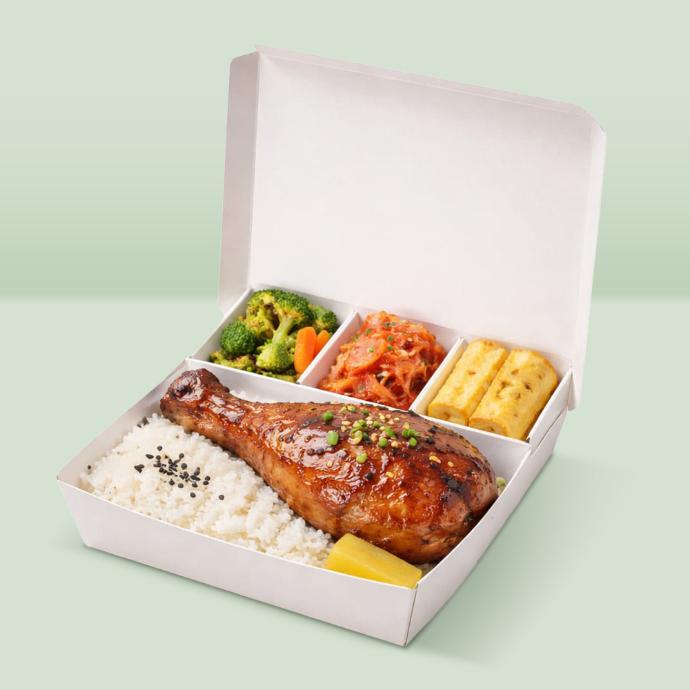
Custom Paper Food Box
Single- or multi-compartment • Microwave-safe • Oil- and heat-resistant
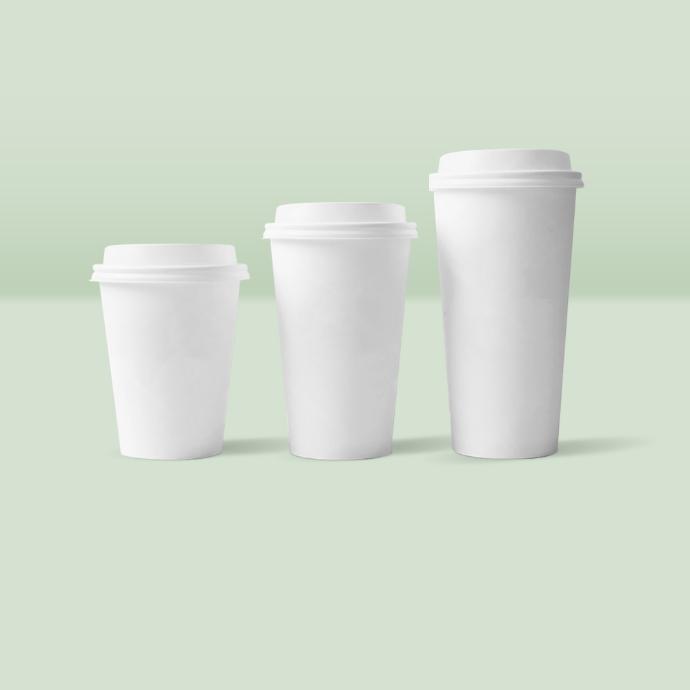
Paper Cups
8oz / 12oz / 16oz / 22oz

Paper Bowl
260 / 520 / 750 / 850 / 902 / 1000